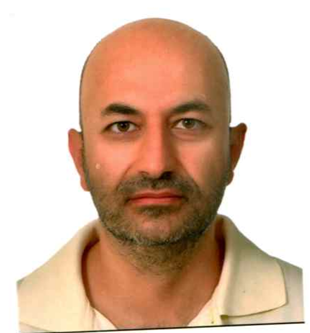
Contact Dr Mehmet Turemis
Background
Dr Mehmet Turemis is a PhD-trained Biochemist with over 10 years of experience in biosensor development, biotechnology and environmental monitoring. His research experience spans optical and electrochemical biosensors, microbial and microalgal systems, molecular recognition and the integration of biological components into functional sensing platforms. During his research career in Italy and Türkiye, he has contributed to European research programmes, including H2020 and FP7 projects, and has worked across academic and industrial R&D environments. His expertise includes genetically modified microorganisms, reporter gene systems, biosensor validation, microfluidic systems, screen-printed electrodes and analytical assay development. He has authored and co-authored peer-reviewed publications in biosensing, environmental monitoring and applied biotechnology and is a co-inventor of a patent on biosensors and peptide-based chemical monitoring. His current research at Cranfield focuses on electrochemical biosensor design and development for PFAS detection in water.
Research opportunities
Electrochemical biosensors
Biosensor development
PFAS detection
Environmental monitoring
Water quality monitoring
Engineering biology
Molecular recognition
Synthetic biology
Biotechnology
Microbial biosensors
Optical biosensors
Electrochemical sensing
Environmental biotechnology
Analytical biotechnology
Microfluidics
Screen-printed electrodes
Biosensor validation
Bioanalytical technologies
Current activities
At Cranfield University, Dr M. Turemis is working on the development of innovative biosensing technologies for the detection of per- and polyfluoroalkyl substances (PFAS) in water. His current research focuses on the design and development of an electrochemical biosensor platform aimed at enabling sensitive, rapid and potentially field-deployable PFAS monitoring.
His work brings together his background in biochemistry, biosensor development, environmental monitoring and biotechnology with emerging approaches in engineering biology and molecular recognition. The research involves the development and characterisation of biological recognition elements for PFAS, integration of recognition mechanisms with amplification strategies, and translation of the sensing chemistry into practical biosensor formats.
His broader research interests include electrochemical and optical biosensors, environmental sensing, microbial and cell-based sensing systems, molecular recognition, biological assay development and the integration of biological components with analytical devices. He is particularly interested in developing low-cost and robust sensing technologies that can complement conventional laboratory-based analytical methods and support rapid environmental monitoring.
Through this multidisciplinary work, he collaborates across biology, engineering and environmental science, with a focus on translating fundamental biosensing concepts into functional technologies with potential applications in environmental protection, public health and industrial monitoring.